
Feeding Therapy
in Menlo Park & San Jose, CA
Support Safe, Confident Eating at Every Age
Is mealtime stressful or overwhelming for your child or a loved one? Do you notice challenges with chewing, swallowing, or trying new foods? Feeding therapy at Peninsula Associates Speech Therapy Services helps you or your child develop the oral motor skills and confidence needed to eat safely.
Whether you’re navigating early feeding milestones with your infant, supporting a picky eater, or seeking help for feeding difficulties in adulthood, our experienced clinicians are here to help.


What Is Feeding Therapy?
Feeding therapy is a specialized service that helps people who struggle with eating, swallowing, or managing various textures of food. It can address the physical, sensory, and behavioral aspects of feeding to support safer and more comfortable mealtimes.
People of all ages can receive feeding therapy, from infants with difficulty latching or swallowing, to toddlers with food aversions, to teens and adults recovering from medical conditions that affect their oral motor function.
Concerned About Your Child’s Eating? Get a Free Phone Consultation
Who Can Benefit from Feeding Therapy?
Feeding therapy may be right for your child or loved one if you notice them experiencing any of the following:
- Difficulty chewing or swallowing
- Frequent coughing or gagging during meals
- Refusal to eat certain textures or food groups
- Picky eating that limits growth or nutrition
- Difficulty transitioning from tube feeding to oral feeding
- Poor weight gain or failure to thrive
- Sensory aversion to smells, tastes, or food textures
- Extended mealtimes or mealtime-related anxiety
- Medical conditions affecting oral motor function (e.g., cleft palate, stroke)
Does Your Child Show These Signs? Connect with Our Specialists
Our Approach to Feeding Therapy
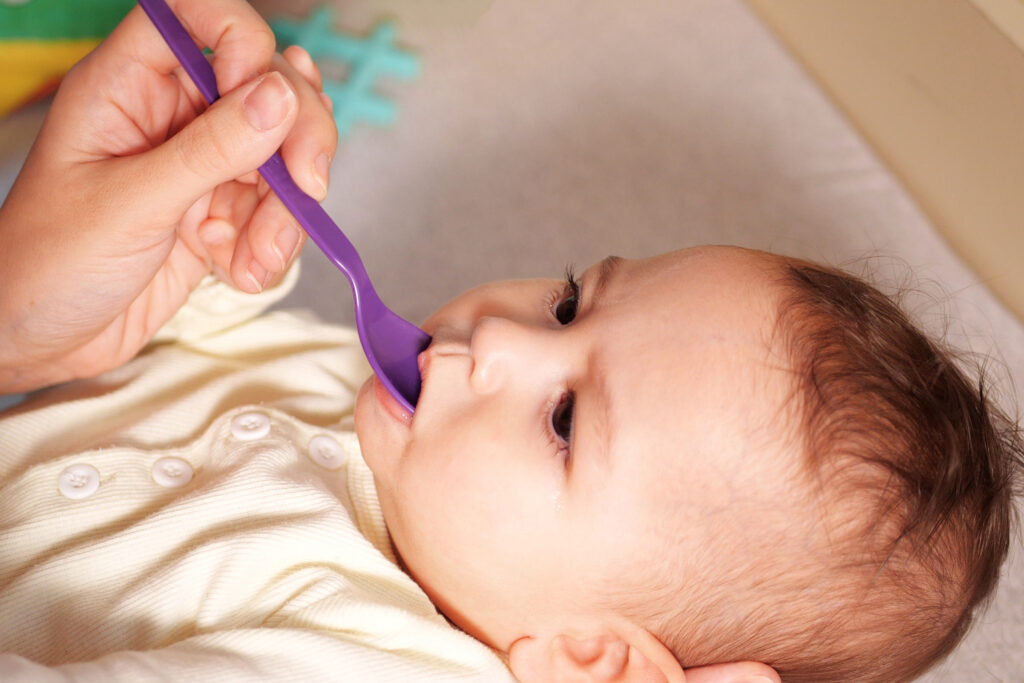
At Peninsula Associates Speech Therapy Services, we take a holistic, individualized approach to feeding therapy. We collaborate closely with families, pediatricians, gastroenterologists, lactation consultants, and other healthcare providers to ensure our treatment plans are comprehensive and effective.
We combine clinical excellence with a warm, supportive environment where clients feel safe exploring new skills and experiences. Feeding therapy is designed to improve real-life outcomes like more enjoyable mealtimes, improved nutrition, and greater independence with eating.

Benefits of Feeding Therapy for Children, Teens, and Adults
Feeding therapy offers practical, lasting benefits across the lifespan, including:
- Safer chewing and swallowing
- Expanded food acceptance and variety
- Reduced mealtime stress or refusal
- Better growth and nutritional outcomes
- Increased confidence and independence at mealtimes
Ready for Mealtime Success? Start Feeding Therapy Today!

Why Choose Peninsula Associates Speech Therapy Services?
Since 1978, Peninsula Associates Speech Therapy Services has been trusted across the Bay Area for high-quality, compassionate care. Our team of speech-language pathologists brings decades of combined experience to every treatment plan, with advanced training in feeding and oral motor therapy.
We work collaboratively with families, caregivers, and healthcare providers to ensure consistent progress. Our goal is to help every client build the skills they need for safe, confident eating at home, at school, and in social settings.
Frequently Asked Questions
What feeding challenges can feeding therapy help with?
Feeding therapy may help children, teens, or adults who experience difficulty with chewing, swallowing, limited food variety, picky eating, oral motor coordination, food aversions, or challenges participating comfortably during mealtimes. Some individuals may also have difficulty transitioning to new textures, managing certain food consistencies, or safely and efficiently eating and drinking.
At Peninsula Associates Speech Therapy Services (PASTS), feeding therapy is individualized based on each client’s needs, medical history, sensory preferences, and functional goals. Our approach focuses on helping clients build safer, more comfortable, and more positive feeding experiences in everyday life.
How do I know if my child or loved one needs support for chewing, swallowing, or food aversions?
Some signs that feeding therapy may be helpful include difficulty chewing or swallowing, gagging during meals, strong reactions to certain textures, limited food variety, stressful mealtimes, prolonged feeding times, or difficulty transitioning to age-appropriate foods. Our team can also help adults who struggle with eating and drinking after a stroke or other neurological conditions.
At PASTS, our speech-language pathologists evaluate feeding skills in a supportive and individualized way to better understand each client’s strengths and challenges. The goal is to identify factors affecting feeding and create a treatment plan that supports safer, more functional, and more comfortable mealtime experiences.
What happens during a feeding therapy evaluation?
A feeding therapy evaluation at PASTS is designed to help our speech-language pathologists better understand the client’s feeding history, current eating patterns, oral motor skills, sensory responses, and overall mealtime experiences. Evaluations are individualized based on the client’s age, concerns, and medical background.
During the assessment, we may observe chewing, swallowing, oral movement patterns, posture, food preferences, sensory responses, and mealtime interactions. We also discuss family concerns, daily routines, and feeding goals. The evaluation helps us determine which feeding skills may need support and guides the development of a personalized therapy plan.
Do you treat both oral motor and sensory-based feeding difficulties?
Yes. At PASTS, feeding therapy may address both oral motor and sensory-based feeding challenges depending on the client’s individual needs. Some individuals may have difficulty with chewing, swallowing, lip closure, tongue movement, or oral coordination, while others may experience strong sensory responses to certain textures, temperatures, smells, or food appearances.
Our speech-language pathologists take a personalized and functional approach that considers the whole feeding experience. Therapy goals are designed to support safer feeding, improved oral motor function, increased comfort with foods, and more positive mealtime participation in everyday settings.
Do you offer mealtime observations as part of the assessment process?
Yes. Mealtime observations may be included as part of the feeding therapy assessment process when appropriate. Observing meals can help our speech-language pathologists better understand how feeding challenges affect daily routines, oral motor skills, sensory responses, communication, and overall participation during eating and drinking.
At PASTS, we value a functional and individualized approach to feeding therapy. Mealtime observations may provide important information about positioning, food preferences, pacing, chewing patterns, swallowing, caregiver interactions, and environmental factors that could be impacting feeding success. This information helps guide personalized treatment recommendations and therapy goals.
Reach Out Today to Get Started
If you or your child is struggling with feeding challenges, we’re here to help. Contact Peninsula Associates Speech Therapy Services to schedule an appointment with one of our clinicians today.